
Articles and Posts for the Classic Male
Welcome to our collection of articles and posts dedicated to the classic male. Here, you'll find timeless insights on style, grooming, and lifestyle that celebrate sophistication and elegance. Whether you're looking to refine your wardrobe or enhance your personal brand, our content is designed to inspire and guide you on your journey to becoming the best version of yourself. in and discover the art of classic masculinity.


Staying Sane During These Insane Times
Discover effective strategies to maintain your mental health and well-being during turbulent times. Learn about mindfulness, self-care, social connections, and more.

Life is inherently unpredictable, and turbulent times can amplify feelings of stress, anxiety, and uncertainty. Whether it's a global pandemic, economic instability, political unrest, or personal challenges, maintaining mental health during such periods is crucial. This comprehensive guide explores the impact of turbulent times on mental well-being and provides actionable strategies to help you stay sane and resilient.
Understanding the Impact of Turbulent Times

Turbulent times can significantly affect mental health, leading to increased levels of stress, anxiety, and depression. According to the American Psychological Association (APA), chronic stress can have a detrimental impact on both physical and mental health, contributing to issues such as insomnia, weakened immune function, and emotional instability (APA, 2020).
The uncertainty and constant change associated with turbulent periods can make it challenging to find stability and maintain a sense of normalcy. Understanding the impact of these times on mental health is the first step towards developing effective coping mechanisms and strategies to stay sane.
The Importance of Mental Health

Maintaining mental health is essential for overall well-being and quality of life. Good mental health enables you to cope with stress, build strong relationships, and make meaningful contributions to your community. It also plays a vital role in physical health, as mental and physical well-being are closely interconnected.
Prioritizing mental health during turbulent times is crucial for navigating challenges with resilience and maintaining a positive outlook. By implementing strategies to support mental well-being, you can enhance your ability to cope with uncertainty and stress.
Strategies to Maintain Mental Health
There are several effective strategies to maintain mental health and well-being during turbulent times. Here are some key approaches to consider:
Practice Mindfulness and Meditation

Mindfulness and meditation are powerful tools for managing stress and promoting mental clarity. Mindfulness involves focusing on the present moment without judgment, which can help reduce anxiety and improve emotional regulation. Meditation, on the other hand, involves specific techniques to calm the mind and enhance self-awareness.
A study published in the Journal of Clinical Psychology found that mindfulness-based interventions can significantly reduce symptoms of anxiety and depression (Hofmann et al., 2010). Practicing mindfulness and meditation regularly can help you stay grounded and centered, even in the face of uncertainty.
Establish a Routine
Establishing a daily routine can provide a sense of structure and stability during turbulent times. Routines help create a predictable environment, which can reduce stress and improve overall well-being. Aim to include activities such as work, exercise, meals, and relaxation in your daily schedule.
Creating a routine also helps you manage time effectively and ensures that you allocate time for essential activities and self-care. Consistency in your daily routine can foster a sense of normalcy and control, even when external circumstances are unpredictable.
Stay Physically Active

Regular physical activity is essential for maintaining mental health. Exercise releases endorphins, which are natural mood boosters, and helps reduce symptoms of stress and anxiety. The Centers for Disease Control and Prevention (CDC) recommends at least 150 minutes of moderate-intensity aerobic activity per week (CDC, 2020).
Incorporate activities you enjoy, such as walking, jogging, cycling, or yoga, into your routine. Physical activity not only benefits your body but also enhances mental clarity and emotional well-being.
Maintain Social Connections

Social connections are vital for mental health and emotional support. Building and maintaining relationships with friends, family, and community members can provide a sense of belonging and reduce feelings of isolation.
During turbulent times, finding ways to stay connected, even virtually, is important. Utilize technology to stay in touch through video calls, social media, and messaging apps. Engaging in meaningful conversations and sharing experiences can foster a sense of solidarity and mutual support.
Limit Exposure to Negative News

Constant exposure to negative news and media can exacerbate stress and anxiety. While staying informed is important, it's essential to set boundaries and limit your consumption of distressing news. Designate specific times to check the news and avoid excessive scrolling through social media.
Curate your media intake by following reliable sources and focusing on positive, uplifting content. Taking breaks from the news allows you to focus on activities that promote well-being and positivity.
Engage in Creative Activities
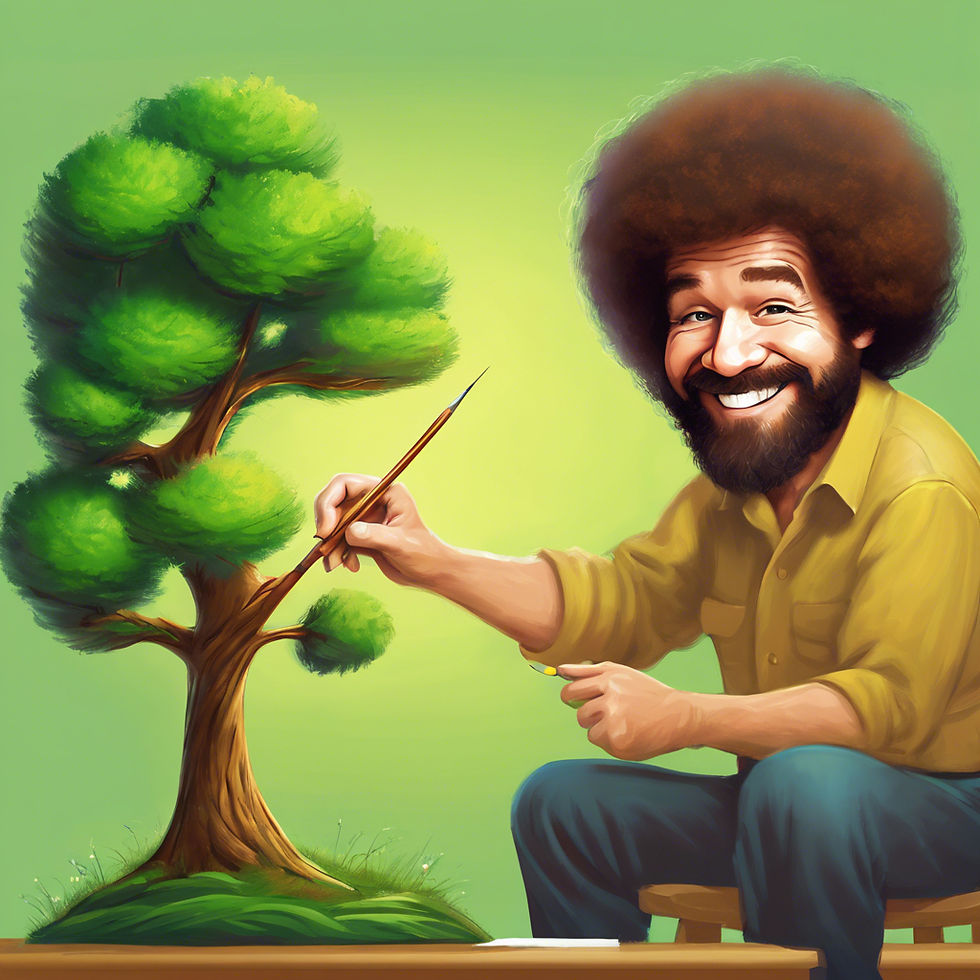
Creative activities such as art, music, writing, and crafting can be therapeutic and provide an outlet for self-expression. Engaging in creative pursuits can help you process emotions, reduce stress, and foster a sense of accomplishment.
A study published in the Journal of Positive Psychology found that engaging in creative activities can enhance overall well-being and contribute to positive emotions (Conner et al., 2018). Whether it's painting, playing an instrument, or writing, find activities that resonate with you and incorporate them into your routine.
Prioritize Self-Care
Self-care involves taking deliberate actions to nurture your physical, emotional, and mental well-being. Prioritizing self-care is essential for maintaining resilience and coping with stress. Here are some self-care practices to consider:
- Sleep: Ensure you get adequate sleep each night. Aim for 7-9 hours of quality sleep to support overall health and well-being.
- Nutrition: Eat a balanced diet rich in nutrients to fuel your body and mind. Avoid excessive consumption of caffeine and sugar, which can negatively impact mood and energy levels.
- Relaxation: Incorporate relaxation techniques such as deep breathing, progressive muscle relaxation, and aromatherapy into your routine.
- Hobbies: Engage in hobbies and activities that bring you joy and relaxation. Whether it's gardening, reading, or cooking, make time for activities that replenish your energy.
Seek Professional Help if Needed
If you find it challenging to manage stress and maintain mental health on your own, seeking professional help is a crucial step. Mental health professionals such as therapists, counselors, and psychiatrists can provide support, guidance, and effective treatment options.
Online therapy platforms such as BetterHelp and Talkspace offer convenient access to licensed therapists from the comfort of your home. Seeking help is a sign of strength and a proactive step towards maintaining mental well-being.
Conclusion
Staying sane during turbulent times requires a combination of self-awareness, resilience, and proactive strategies to support mental health. By practicing mindfulness, establishing routines, staying physically active, maintaining social connections, and prioritizing self-care, you can navigate challenges with greater ease and maintain a positive outlook.
Remember that it's okay to seek professional help if needed and to take deliberate steps to nurture your well-being. By implementing these strategies, you can enhance your ability to cope with uncertainty and stress, ultimately fostering a more balanced and fulfilling life.
References
1. American Psychological Association. (2020). Stress Effects on the Body. Retrieved from APA
2. Hofmann, S. G., et al. (2010). The Effect of Mindfulness-Based Therapy on Anxiety and Depression: A Meta-Analytic Review. Journal of Clinical Psychology, 76(6), 1691-1702.
3. Centers for Disease Control and Prevention. (2020). Physical Activity Guidelines for Americans. Retrieved from CDC
4. Conner, T. S., et al. (2018). Creative Activity, Curiosity, and Positive Affect in Daily Life. Journal of Positive Psychology, 13(1), 1-10.


